Avoid Parking Fines on Moving Day in Lambeth SE11
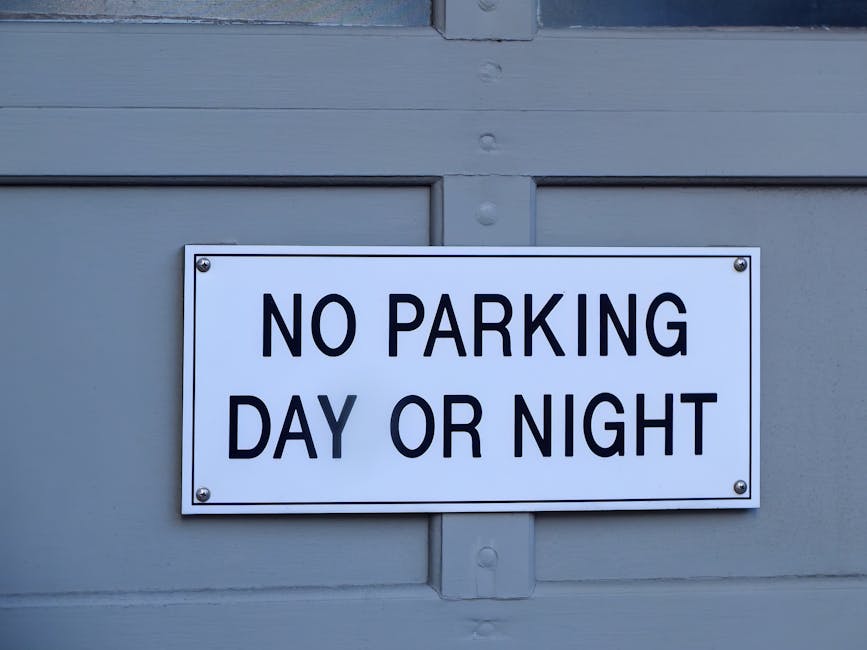
Moving day is stressful enough without finding a yellow envelope tucked under your wiper. If you are trying to avoid parking fines on moving day in Lambeth SE11, the main challenge is usually not the lifting, it is the parking. Space can be tight, timings can be awkward, and a quick "I'll just leave it here for ten minutes" can turn into an expensive mistake. The good news? With a bit of planning, clear communication, and the right moving setup, you can keep the day calm and stay on the right side of local rules.
This guide explains what actually causes moving-day parking fines, how to reduce the risk in SE11, and what a sensible plan looks like for homes, flats, and office moves. You will also find a practical checklist, a simple comparison table, and a few real-world tips that tend to save people time, money, and a fair bit of hassle.
Why Avoid Parking Fines on Moving Day in Lambeth SE11 Matters
Parking fines are not just annoying. On moving day, they can interrupt the whole rhythm of the move. A driver circling the block because the loading space is blocked. A sofa waiting on the pavement while someone runs upstairs. A removal team trying to work quickly while keeping an eye on restrictions. It all adds pressure, and pressure leads to mistakes.
SE11 has the sort of streets where parking is often a puzzle rather than a convenience. There may be permit bays, single yellow restrictions, controlled parking zones, resident bays, or busy stretches where stopping briefly still carries risk. And on a moving day, the pressure to be quick can make people ignore small signs that matter. That is usually where the fine comes from.
There is also a wider cost. A parking ticket can be more than a one-off nuisance if it causes delays, extra labour time, missed slots, or a vehicle having to move and return. For families, that can mean children and pets waiting around in the hallway. For businesses, it can mean staff time lost and customers interrupted. Not ideal, to put it mildly.
Practical truth: Most moving-day parking problems are preventable. The ticket usually starts with a rushed assumption, not bad luck.
If you are using a professional team, the parking plan should be part of the move plan, not an afterthought. If you are doing it yourself, the same principle applies. In both cases, a little preparation usually costs less than one penalty notice and the follow-up headache.
How Avoid Parking Fines on Moving Day in Lambeth SE11 Works
The basic idea is simple: make sure the vehicle is positioned legally, for the right amount of time, in the right place, with the right permissions or loading conditions. The details are what matter.
In practice, avoiding fines usually involves five things:
- Checking the bay type or restriction before the moving vehicle arrives.
- Confirming whether loading is allowed and for how long.
- Matching the vehicle size to the space so it can load without blocking traffic.
- Timing the move to avoid peak congestion and enforcement risk.
- Keeping evidence and communication ready in case a warden or neighbour asks questions.
Loading and unloading rules can be more forgiving than standard parking, but that does not mean they are automatic. The vehicle still needs to be actively used for moving goods, and the stop should be reasonable in duration. If the driver disappears for a coffee or spends too long chatting in the hallway, the protection may not apply. That is one of those annoying realities people only discover after the fact.
In Lambeth SE11, the smartest approach is often to treat parking as a logistics task. Think of it like packing. If you leave it until the last minute, it gets messy. If you plan it early, the day feels far more manageable. That is especially true for flats with narrow access roads, basement entries, or limited kerb space where every minute counts.
When the move is larger, a more structured approach becomes even more useful. A properly sized vehicle such as a moving truck or a flexible man and van setup can help reduce repeated trips and minimise the time the vehicle needs to stay at the kerb. Fewer trips, fewer chances to get it wrong. Simple, really.
Key Benefits and Practical Advantages
Being careful with moving-day parking pays off in several ways beyond just avoiding a ticket.
- Less stress: Everyone knows where the vehicle can stop, so there is less scrambling and fewer last-minute debates about signs.
- Smoother loading: Items can be moved in a more organised sequence, which protects furniture and reduces breakage.
- Lower total cost: You reduce the risk of penalties, wasted time, and additional labour caused by parking problems.
- Better neighbour relations: A tidy, lawful setup is less likely to block someone's driveway or annoy people on a tight street.
- Faster completion: If the vehicle is close and legal, the team can work with fewer interruptions.
There is also a hidden benefit: clearer decision-making. Once the parking issue is under control, the rest of the move starts to feel manageable. You can focus on labels, keys, lifts, and the 14 other small things that somehow appear on moving day. You know the type.
For business relocations, this matters even more. A late start can affect staff handovers, customer access, and equipment handling. If you are arranging a commercial relocation, a planned vehicle strategy through commercial moves or office relocation services is often the difference between an orderly day and a long, tiring one.
Who This Is For and When It Makes Sense
This advice is useful for almost anyone moving within or out of SE11, but it is especially relevant if any of these sound familiar:
- You are moving from a flat, mansion block, or terrace with limited kerb access.
- You have a large van or truck arriving on a street with tight parking controls.
- You are moving on a weekday, when enforcement and traffic are usually less forgiving.
- You have heavy items, like wardrobes, white goods, or office furniture, that need a vehicle parked close by.
- You are coordinating multiple people and do not want parking confusion to slow everything down.
It also makes sense if your move includes specialist items or extra collection stops. For example, if you are clearing out a property and also booking a furniture pick up, the vehicle may need a little more time at the property than a standard single-item collection. That means more planning, not less.
Home movers benefit the most when the arrangement is simple and direct. A service such as home moves or house removalists can be a sensible choice if you want help managing timing, vehicle access, and the general chaos that tends to arrive with the kettle and the last box of cables. Let's face it, nobody packs cables neatly the first time.
Step-by-Step Guidance
Here is a practical way to reduce the chance of parking fines on moving day in Lambeth SE11.
1. Check the restrictions before moving day
Do not rely on memory. Look at the signs on the street, note the bay type, and be clear about when parking or loading is allowed. If the property is on a busy road, do this more than once, because a sign seen from the front door can be easy to misread in the rain or poor light.
2. Measure access and vehicle fit
Know what kind of vehicle is coming and whether there is enough room for it to stop without creating a nuisance. A small van can often make things easier in narrow streets, while a larger truck may be better for fewer trips if there is space to use it safely. Choosing between a man with van arrangement and a larger removal truck hire setup depends on the size of the move, the access, and how much time you can realistically spend on the street.
3. Book the move at the right time
Early mornings are often calmer, though not always. Midday can be unpredictable. Late afternoon can be messy because streets fill up and everyone seems to be in a rush. If you have flexibility, choose a slot that gives you breathing room. A 20-minute delay can matter a lot when parking is tight.
4. Keep the loading route clear
Make sure the path from the property to the vehicle is clear before the team arrives. Hallway clutter, bins, prams, and loose boxes all slow things down. And when the clock is ticking, slower loading is riskier loading.
5. Assign one person to parking oversight
If possible, have one person responsible for parking checks, watching the vehicle, and speaking to neighbours or building management if needed. Too many cooks, as they say, can create a surprisingly expensive soup.
6. Have documents and proof ready
Keep booking details, move times, and any permissions in one place. If you are asked what the vehicle is doing there, you want to answer clearly and calmly. No rummaging through twelve screenshots while somebody waits in the rain.
7. Build in a small time buffer
Moving day rarely runs perfectly. A buffer of even 15 to 30 minutes can absorb traffic, lift delays, or a slow start without pushing the vehicle into a risky parking situation.
Expert Tips for Better Results
Here are the things that tend to make the biggest difference in real life, not just on paper.
- Visit the street at the same time of day as the move. Parking conditions change through the day. A road that looks free at 9 a.m. may be much tighter by lunchtime.
- Use the smallest practical vehicle. Not always the smallest possible, but the smallest one that still handles your load efficiently.
- Protect the loading spot from clutter. If bins or resident vehicles usually appear in front of the property, raise that issue early with whoever manages the building.
- Pack essentials separately. When you can grab keys, documents, and a kettle quickly, the move keeps flowing. And yes, the kettle matters. It always does.
- Label boxes by destination room. Faster unloading means less time parked and less time under pressure.
A useful habit is to think of the parking plan as part of the packing plan. The more organised the move is inside the property, the less likely the vehicle is to overstay outside. That small connection is easy to miss, but it matters.
If your move involves a mix of boxes, furniture, and awkward items, packing support can also help. A service such as packing and unpacking services may sound like a comfort extra, but in practice it often reduces delays on the pavement too. Faster wrapping, faster lifting, less standing around wondering where the tape went. It happens more than people like to admit.
Common Mistakes to Avoid
Most moving-day parking fines come from a few repeat mistakes. Once you know them, they are much easier to avoid.
- Assuming loading automatically makes stopping legal. It helps, but it is not a free pass.
- Ignoring nearby restrictions. The side street may be just as restricted as the main road.
- Leaving the vehicle unattended too long. Even a short break can create problems if nobody is actively loading.
- Choosing a vehicle that is too large for the road. That can lead to blocked access and complaints, which is the last thing you want.
- Not telling neighbours or building staff. In some properties, a simple heads-up avoids awkward misunderstandings.
- Starting too late. A late start is often the first step toward a rushed stop and a parking notice.
One subtle mistake is underestimating how long final loading takes. The first half of the house may move quickly. The last 20% always seems to take twice as long. Shoes get misplaced, drawers need emptying, someone suddenly remembers the charger in the bathroom. It is never just the boxes.
Tools, Resources and Recommendations
You do not need a complicated system to stay organised. A few simple tools are usually enough.
- Phone reminders: Set alerts for loading time, vehicle arrival, and key handover.
- Printed move notes: Keep a one-page sheet with the address, contact numbers, access details, and timing.
- Floor plan or room list: Helps with faster unloading and avoids repeated item shuffling.
- High-visibility labels: Great for fragile items and priority boxes, especially when the day gets noisy and busy.
- Basic protective materials: Blankets, straps, tape, and wrap all help protect items while the team moves quickly.
For many people, the most useful "resource" is simply choosing the right kind of support. If you are moving a smaller load, a flexible man and van option may be enough. If you are relocating a bigger home or need a larger vehicle, it may be better to look at a dedicated moving truck. Matching the support to the move keeps parking, timing, and cost more sensible.
If you are still deciding which route fits best, it can help to learn more about the business and its approach through about us, or to speak directly through contact us if you want to discuss access issues before the move. A short conversation can save a surprising amount of uncertainty.
Law, Compliance, Standards, or Best Practice
Parking and loading on public roads in London generally need to be handled with care, because local restrictions, permits, and enforcement practices can vary by street and by time of day. It is wise to treat signs as the governing rule on the day, rather than assuming you can rely on a general habit or what someone else did last month.
Best practice is straightforward:
- Check the on-street signs before stopping.
- Keep loading active and purposeful.
- Do not block driveways, crossings, or access routes.
- Allow more time than you think you need.
- Use the correct vehicle for the site and the load.
For leasehold buildings, managed blocks, or business premises, there may also be separate site rules. These are not always "law" in the strict sense, but they still matter because they can affect access, lift bookings, entry codes, or permitted waiting areas. In other words: the building rules can be just as important as the street signs.
If you are unsure, it is sensible to treat the parking question as a compliance issue, not a guess. That is especially true if you are organising office moves or larger commercial removals where more than one vehicle, contractor, or access point is involved. Planning properly is part of acting responsibly, and it is usually cheaper than dealing with the consequences later.
Options, Methods, or Comparison Table
Different moving setups create different parking risks. The right choice depends on the property, the road, and how much time you have.
| Option | Best for | Parking advantage | Watch-outs |
|---|---|---|---|
| Man and van | Small to medium moves, quick access, lighter loads | Usually easier to fit into tighter streets | May require more trips if the load is larger |
| Man with van | Simple home moves, single-trip efficiency | Flexible and often quicker to position | Space still needs to be checked carefully |
| Moving truck | Larger house moves, bulkier furniture, fewer round trips | Reduces repeated parking changes | Needs more space and better road access |
| Removal truck hire | More structured moves with larger volumes | Can be efficient when planned well | Best when access and timing are properly mapped out |
There is no single perfect choice. A small van may be safer for a narrow SE11 street, while a larger truck can be more efficient if the road and timing work in your favour. The trick is being honest about the property, not optimistic. Optimism is lovely for house keys. Less useful for kerb space.
Case Study or Real-World Example
Imagine a two-bedroom flat move in SE11 with a narrow road, a second-floor walk-up, and a resident bay outside the building. The obvious temptation is to bring the biggest van available and hope for the best. That works sometimes. More often, it creates a squeeze.
A better approach would be to visit the street in advance, confirm the closest lawful stopping area, and choose a vehicle that can load efficiently without blocking the whole lane. The movers arrive early, the hallway is cleared, and the first boxes are already labelled by room. The vehicle stays close, loading happens in one focused run, and nobody has to panic because the warden has appeared halfway through a wardrobe.
Now compare that with a rushed version: the vehicle arrives late, the nearest legal bay is already occupied, and someone decides to "just stop for a minute." That minute becomes a ticket risk, then a delay, then a stressed phone call. Same move, different outcome. The difference is mostly planning.
For office relocations, the pattern is similar. A business move with proper coordination and a suitable vehicle from office relocation services is usually far smoother than a piecemeal approach with no parking plan. If staff can keep working while the building access stays orderly, everyone breathes a little easier.
Practical Checklist
Use this checklist before the moving vehicle arrives.
- Confirm the move time and keep a buffer.
- Check the street signs and bay restrictions.
- Identify the safest loading point near the property.
- Choose the right vehicle size for the job.
- Tell neighbours, building managers, or porters if relevant.
- Clear the hallway, lift access, and front path.
- Keep keys, paperwork, and contact numbers to hand.
- Label fragile and priority boxes clearly.
- Assign one person to watch parking and access.
- Keep loading continuous and avoid long pauses.
- Double-check that nothing is left in the vehicle before departure.
Expert summary: If you plan parking early, keep loading active, and choose the right kind of moving support, you will avoid most of the common moving-day fines people face in Lambeth SE11. It is rarely about luck. It is about being prepared enough that the street does not get the better of you.
For larger domestic jobs, the simplest path is often to combine good planning with experienced help. If that sounds like the route you need, exploring home moves or speaking with the team at contact us can be a sensible next step.
Get a free quote today and see how much you can save.
Conclusion
Avoiding parking fines on moving day in Lambeth SE11 comes down to three things: know the restrictions, plan the vehicle, and keep the move moving. Sounds simple, and in a way it is. But the pressure of the day makes simple things easy to forget.
If you prepare well, the whole experience becomes calmer. The team can work steadily, the vehicle can stay where it should, and you are far less likely to end the day staring at a penalty notice and wondering where it all went sideways. A bit of thought now can save a lot of frustration later.
And honestly, that is what a good moving day should feel like: busy, yes, but manageable. Maybe even a little satisfying when the last box comes out and the street feels quiet again.
Frequently Asked Questions
Can I stop on a yellow line while moving house in Lambeth SE11?
Sometimes loading and unloading may be permitted, but it depends on the specific restriction, the timing, and whether the stop is active and necessary. Always check the signs on the street rather than assuming it is allowed.
Do I need a permit to avoid a parking fine on moving day?
In some locations, a permit or special permission may help, but it depends on the road and property setup. The safest approach is to confirm the local restrictions early and plan the vehicle accordingly.
Is a man and van better than a large removal truck for tight streets?
Often, yes, if access is very limited. A smaller vehicle can be easier to park and load. That said, a larger truck may still be better if you want fewer trips and the road can handle it.
How early should I check the parking situation before moving day?
Ideally, a few days ahead, and again on the morning of the move. Street conditions can change, especially in busy parts of London where bays fill quickly.
What is the biggest mistake people make with moving-day parking?
The biggest mistake is assuming that a brief stop is automatically fine. Moving day is hectic, and people often underestimate how long loading really takes.
Can removal teams help with parking planning?
Yes, many professional movers will help think through vehicle size, timing, and access. It is worth discussing this early so everyone knows what the street conditions are likely to be.
What should I do if the nearest bay is already taken?
Have a backup plan ready. That might mean a nearby lawful loading point, a different arrival time, or a smaller vehicle that can work more easily in the available space.
Does packing faster help reduce parking risk?
Very much so. The quicker and more organised the loading process is, the less time the vehicle spends outside. That can make a real difference on a restricted street.
Are office moves more difficult to manage than home moves?
Usually they are, because there may be more equipment, more people, and stricter timing. For that reason, commercial and office relocations benefit from a more structured parking and access plan.
What if I am only picking up one item of furniture?
Even a single-item collection can run into parking issues if the street is tight or heavily restricted. A service like furniture pick up still needs a sensible stopping plan.
How can I reduce stress on the day itself?
Keep documents ready, label boxes clearly, assign one person to parking, and build in a little extra time. It sounds basic, but those small habits make the day feel far less chaotic.
Where can I get help if I am not sure what vehicle size I need?
It is sensible to ask before booking. A quick conversation about the property, access, and load size can help you choose between a man with van setup, a moving truck, or removal truck hire without overcomplicating things.